

As a trusted supplier of Blind Hole Rivet Nuts, I often get asked about the various sizes available in the market. In this blog, I'll delve into the different sizes of blind hole rivet nuts, their applications, and how to choose the right one for your project.
Understanding Blind Hole Rivet Nuts
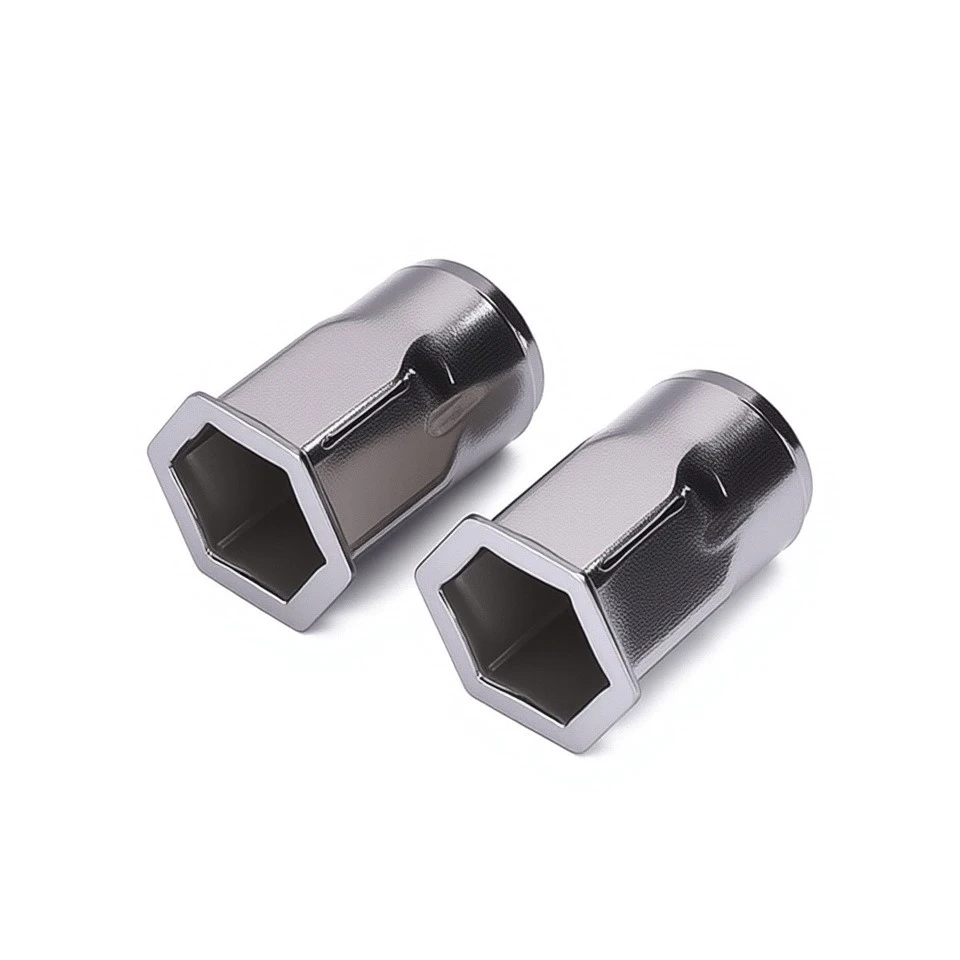
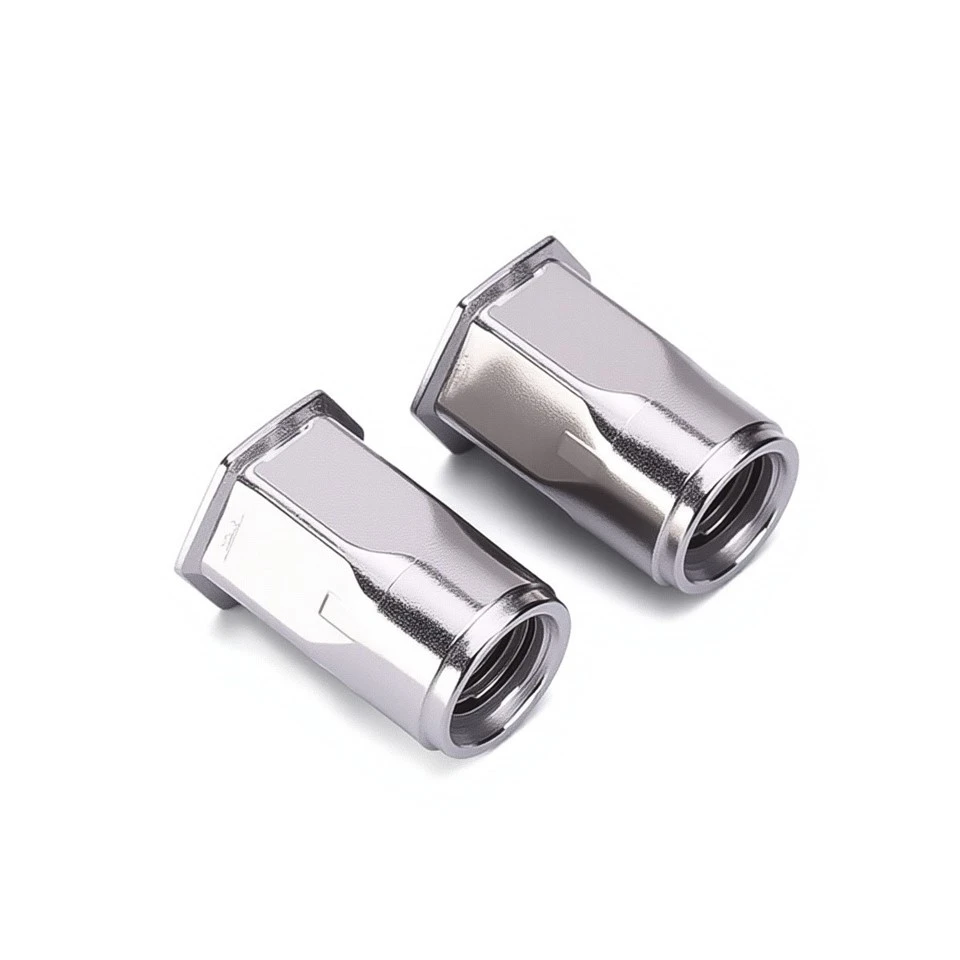
Blind hole rivet nuts, also known as blind rivet nuts or threaded inserts, are used to create a threaded hole in a material where access is only available from one side. They are commonly used in industries such as automotive, aerospace, electronics, and furniture manufacturing. These rivet nuts are installed by inserting them into a pre-drilled hole and then using a special tool to deform the nut, creating a strong and permanent connection.
Available Sizes
The sizes of blind hole rivet nuts are typically specified by the thread size and the length of the nut. The most common thread sizes for blind hole rivet nuts range from M3 to M12 in the metric system and from #4 to 3/8" in the imperial system. Here's a breakdown of the available sizes and their applications:
Metric Sizes
- M3: This is one of the smallest sizes available and is commonly used in electronics and small precision components. The M3 blind hole rivet nut has a thread diameter of 3mm and is suitable for thin materials.
- M4: Slightly larger than the M3, the M4 blind hole rivet nut is used in a variety of applications, including automotive and furniture manufacturing. It can handle a bit more load than the M3 and is suitable for medium-thickness materials.
- M5: The M5 blind hole rivet nut is a popular choice for general-purpose applications. It has a thread diameter of 5mm and can be used in both thin and medium-thickness materials.
- M6: With a thread diameter of 6mm, the M6 blind hole rivet nut is commonly used in heavy-duty applications such as machinery and structural components. It can withstand higher loads and is suitable for thicker materials.
- M8: The M8 blind hole rivet nut is used in applications where a larger thread size is required. It is commonly used in automotive and industrial equipment.
- M10 and M12: These are the largest metric sizes available and are used in heavy-duty applications such as construction and large machinery. They can handle very high loads and are suitable for thick materials.
Imperial Sizes
- #4: This is one of the smallest imperial sizes and is commonly used in electronics and small precision components. The #4 blind hole rivet nut has a thread diameter of approximately 0.112" and is suitable for thin materials.
- #6: Slightly larger than the #4, the #6 blind hole rivet nut is used in a variety of applications, including automotive and furniture manufacturing. It can handle a bit more load than the #4 and is suitable for medium-thickness materials.
- #8: The #8 blind hole rivet nut is a popular choice for general-purpose applications. It has a thread diameter of approximately 0.164" and can be used in both thin and medium-thickness materials.
- 10-32: This size is commonly used in automotive and industrial applications. It has a thread diameter of approximately 0.190" and can handle moderate loads.
- **1/4": The 1/4" blind hole rivet nut is used in applications where a larger thread size is required. It is commonly used in automotive and industrial equipment.
- **5/16" and 3/8": These are the largest imperial sizes available and are used in heavy-duty applications such as construction and large machinery. They can handle very high loads and are suitable for thick materials.
Length Variations
In addition to the thread size, blind hole rivet nuts also come in different lengths. The length of the rivet nut is determined by the thickness of the material it will be installed in. It's important to choose the right length to ensure a proper fit and a strong connection. Here are some general guidelines for choosing the length of the rivet nut:
- Thin Materials: For materials less than 1/8" thick, a shorter length rivet nut is usually sufficient.
- Medium Materials: For materials between 1/8" and 1/4" thick, a medium-length rivet nut is recommended.
- Thick Materials: For materials thicker than 1/4", a longer length rivet nut may be required.
Types of Blind Hole Rivet Nuts
There are several types of blind hole rivet nuts available, each with its own unique features and applications. Here are some of the most common types:
- Internal External Hex Rivet Nuts: These rivet nuts have both an internal and an external hex shape, which provides a secure grip during installation and prevents the nut from spinning. They are commonly used in applications where a high level of torque is required.
- Small Head Rivet Nuts: As the name suggests, these rivet nuts have a small head, which makes them suitable for applications where space is limited. They are commonly used in electronics and small precision components.
- Flat Head Rivet Nuts: Flat head rivet nuts have a flat head, which provides a flush surface when installed. They are commonly used in applications where a smooth and aesthetically pleasing finish is required.
- Half Hex Rivet Nuts: These rivet nuts have a half-hex shape, which provides a good balance between ease of installation and torque resistance. They are commonly used in general-purpose applications.
Choosing the Right Size
Choosing the right size of blind hole rivet nut is crucial for the success of your project. Here are some factors to consider when making your decision:
- Material Thickness: As mentioned earlier, the thickness of the material will determine the length of the rivet nut. Make sure to choose a length that is appropriate for the material you are working with.
- Load Requirements: Consider the amount of load the rivet nut will need to withstand. If you are working on a heavy-duty application, you may need to choose a larger thread size and a longer length.
- Application: Different applications may require different types of rivet nuts. For example, if you need a rivet nut that provides a flush surface, a flat head rivet nut may be the best choice.
- Installation Tool: Make sure you have the right installation tool for the size and type of rivet nut you are using. Using the wrong tool can result in a poor installation and a weak connection.
Conclusion
In conclusion, blind hole rivet nuts come in a wide range of sizes and types to meet the needs of various applications. By understanding the available sizes, length variations, and types of rivet nuts, you can choose the right one for your project. As a supplier of Blind Hole Rivet Nuts, I am committed to providing high-quality products and excellent customer service. If you have any questions or need assistance in choosing the right size of blind hole rivet nut for your project, please don't hesitate to contact me. I look forward to working with you and helping you find the perfect solution for your needs.
References
- Machinery's Handbook
- Fastener Engineering Handbook