

Open end blind rivets are a staple in the fastening industry, known for their versatility and ease of use. As a supplier of these essential components, I often get asked about their lifespan. Understanding the lifespan of open end blind rivets is crucial for both manufacturers and end - users, as it directly impacts the durability and reliability of the assembled products.
Factors Affecting the Lifespan of Open End Blind Rivets
1. Material Quality
The material from which open end blind rivets are made plays a significant role in determining their lifespan. Common materials include aluminum, steel, and stainless steel. Aluminum rivets are lightweight and resistant to corrosion, making them suitable for applications in the automotive and aerospace industries. However, they may have a shorter lifespan in high - stress or abrasive environments compared to steel or stainless - steel rivets.
Steel rivets offer high strength and are often used in heavy - duty applications such as construction and machinery manufacturing. But they are prone to rust if not properly coated. Stainless - steel rivets, on the other hand, combine high strength with excellent corrosion resistance. They are ideal for outdoor applications or in environments where exposure to moisture or chemicals is likely. For instance, in marine applications, stainless - steel open end blind rivets can last significantly longer than aluminum or uncoated steel rivets due to their ability to withstand saltwater corrosion.
2. Application Environment
The environment in which open end blind rivets are used has a profound impact on their lifespan. In a clean, dry indoor environment, rivets can last for decades without significant degradation. However, in harsh outdoor conditions, factors such as temperature fluctuations, humidity, and exposure to UV radiation can accelerate the aging process.
In industrial settings, exposure to chemicals, abrasives, and high levels of vibration can also reduce the lifespan of rivets. For example, in a chemical processing plant, open end blind rivets may be exposed to corrosive chemicals that can eat away at the rivet material over time. Similarly, in a manufacturing facility with high - speed machinery, the constant vibration can cause the rivets to loosen or fatigue, leading to premature failure.
3. Installation Quality
Proper installation is essential for maximizing the lifespan of open end blind rivets. If the rivet is not installed correctly, it may not provide the required clamping force, leading to loosening or failure over time. Factors such as using the wrong size of rivet for the application, improper drilling of the hole, or incorrect setting of the riveting tool can all affect the installation quality.
For example, if the hole is too large, the rivet may not expand properly, resulting in a weak joint. On the other hand, if the hole is too small, the rivet may be damaged during installation, reducing its strength and lifespan. It is crucial to follow the manufacturer's guidelines for installation to ensure optimal performance.
Typical Lifespan Estimates
The lifespan of open end blind rivets can vary widely depending on the factors mentioned above. In ideal conditions, such as a clean indoor environment with no significant stress or corrosion, aluminum open end blind rivets can last for 20 - 30 years. Steel rivets, when properly coated to prevent rust, can have a similar lifespan. Stainless - steel rivets, due to their superior corrosion resistance, can last even longer, potentially up to 50 years or more.
In more challenging environments, the lifespan can be significantly reduced. In a coastal area with high humidity and saltwater exposure, aluminum rivets may start to show signs of corrosion within 5 - 10 years, while stainless - steel rivets can maintain their integrity for much longer. In an industrial environment with high vibration and chemical exposure, the lifespan of rivets may be as short as 2 - 5 years, depending on the severity of the conditions.
Comparison with Other Types of Rivets
It's also interesting to compare the lifespan of open end blind rivets with other types of rivets. Countersunk Head Rivets are designed to sit flush with the surface of the material, which can make them more aesthetically pleasing in some applications. However, their lifespan is also affected by the same factors as open end blind rivets. In general, if installed and used under similar conditions, their lifespan will be comparable.
Closed End Blind Rivets offer better resistance to moisture and contaminants due to their closed - end design. This can result in a longer lifespan, especially in applications where protection against corrosion is critical. For example, in plumbing or outdoor electrical enclosures, closed - end blind rivets may outlast open end blind rivets.
Bulb Type Blind Rivets are known for their large expansion and high clamping force. They can provide a more secure joint, which may contribute to a longer lifespan in applications where high stress is involved. However, like all rivets, their durability depends on the material, environment, and installation quality.
Button Head Rivets have a rounded head that protrudes from the surface. They are commonly used in applications where a decorative or functional head is required. Their lifespan is similar to that of open end blind rivets, with the same factors influencing their durability.
Ensuring a Long Lifespan for Open End Blind Rivets
As a supplier, I recommend the following steps to ensure a long lifespan for open end blind rivets:
- Select the Right Material: Choose the material based on the application environment. For corrosive environments, opt for stainless - steel rivets. For lightweight applications, aluminum may be a better choice.
- Proper Installation: Follow the installation guidelines provided by the manufacturer. Use the correct size of rivet and the appropriate riveting tool.
- Regular Inspection: Periodically inspect the riveted joints for signs of corrosion, loosening, or damage. Replace any rivets that show signs of wear or failure.
- Environmental Protection: If possible, protect the riveted joints from harsh environmental conditions. This can include applying a protective coating or using seals to prevent moisture and contaminants from reaching the rivets.
Conclusion
The lifespan of open end blind rivets is influenced by multiple factors, including material quality, application environment, and installation quality. By understanding these factors and taking appropriate measures, manufacturers and end - users can ensure that their riveted joints remain strong and reliable for an extended period.
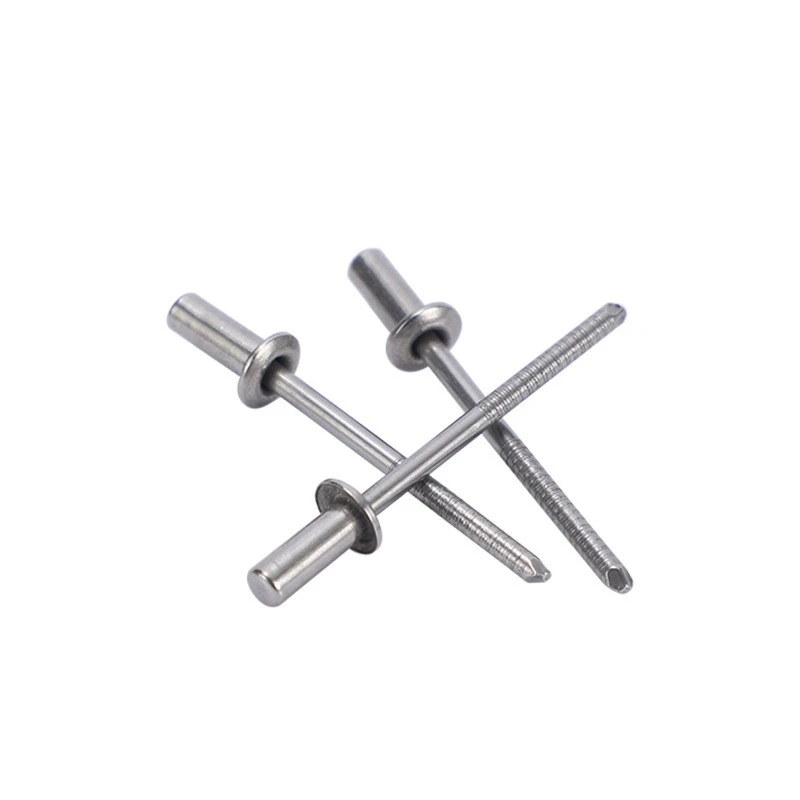
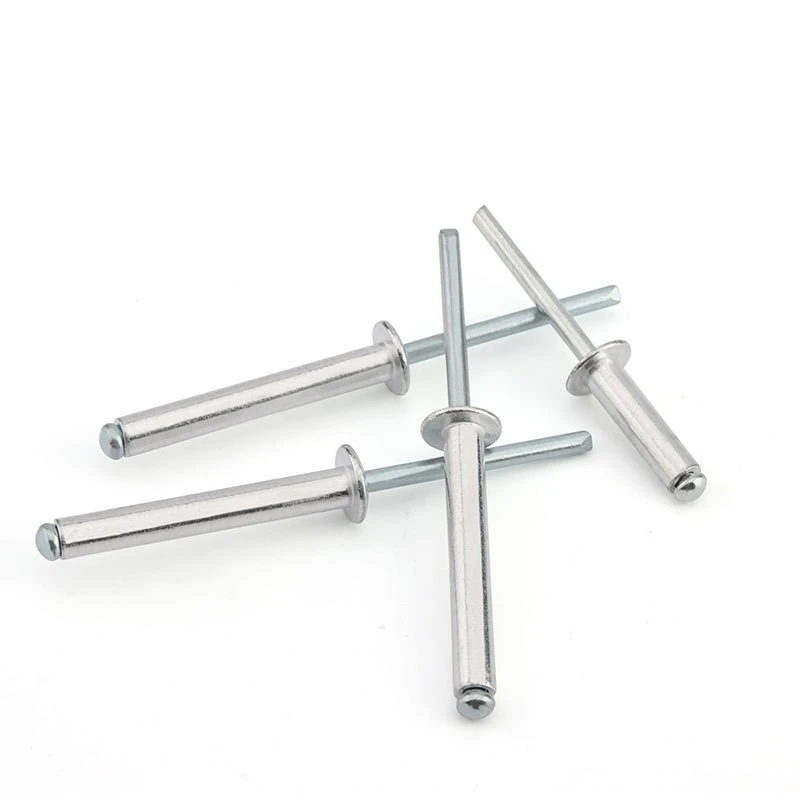
If you are in need of high - quality open end blind rivets or have any questions about their lifespan and application, feel free to reach out for a procurement discussion. We are committed to providing you with the best products and solutions to meet your fastening needs.
References
- ASM Handbook Committee. (2008). ASM Handbook, Volume 11: Failure Analysis and Prevention. ASM International.
- Machinery's Handbook Editorial Staff. (2021). Machinery's Handbook 30th Edition. Industrial Press Inc.