

As a trusted supplier of Flanged Hex Head Bolts, I understand the critical importance of safety when it comes to using these essential fasteners. Flanged Hex Head Bolts are utilized in a wide range of industries, from construction and manufacturing to automotive and aerospace. Ensuring their safe use not only protects the integrity of the applications they are used in but also safeguards the well - being of workers. In this blog, I will delve into the key safety precautions that should be taken when using Flanged Hex Head Bolts.
1. Inspection Before Use
Visual Inspection
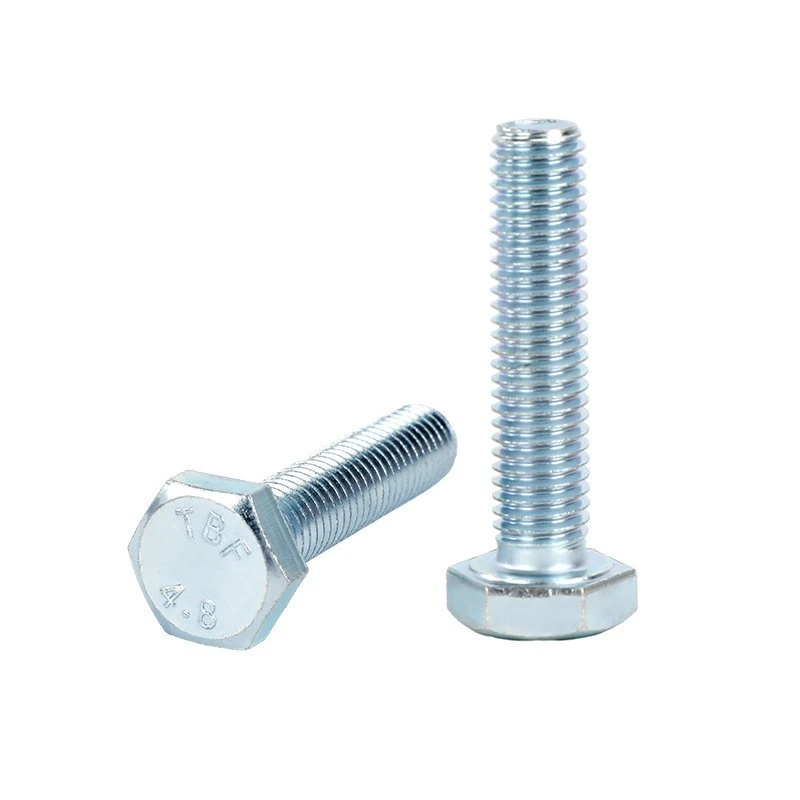
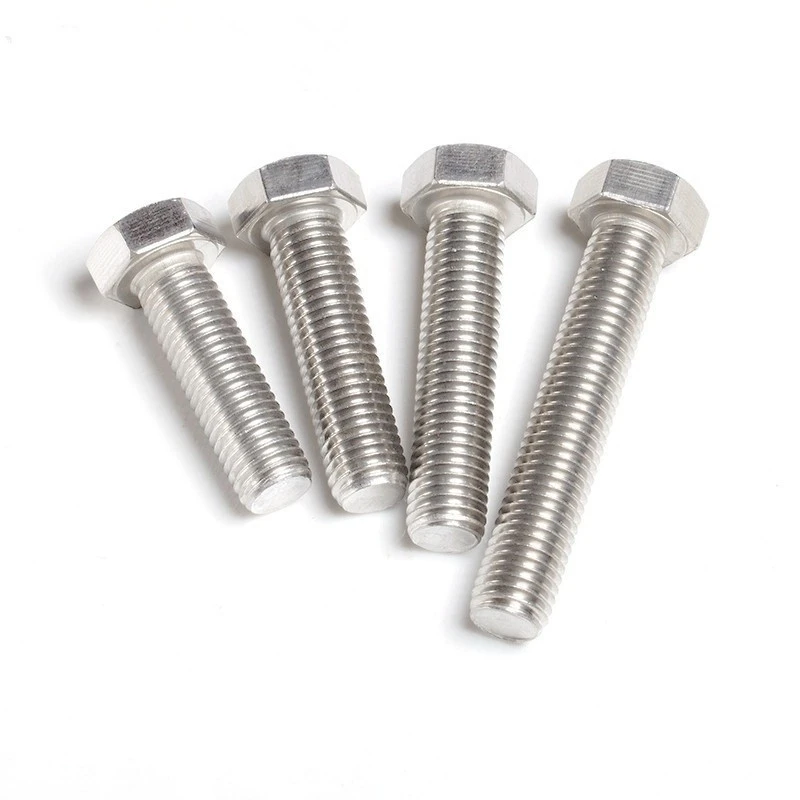
Before installing Flanged Hex Head Bolts, a thorough visual inspection is necessary. Check for any visible signs of damage such as cracks, dents, or corrosion on the bolt body, threads, and the flange. Cracks can significantly weaken the bolt, increasing the risk of failure under stress. Dents may affect the proper seating of the bolt, while corrosion can lead to thread degradation and reduced clamping force. If any damaged bolts are found, they should be immediately removed from service and replaced. For a high - quality selection of Flanged Hex Head Bolts, you can visit Flanged Hex Head Bolt.
Thread Inspection
Examine the threads of the Flanged Hex Head Bolt carefully. The threads should be clean, free of debris, and have a consistent pitch. Damaged threads can cause cross - threading during installation, which can lead to improper tightening and a compromised joint. Ensure that the mating threads in the nut or the tapped hole are also in good condition. Using a thread gauge can help verify the thread size and pitch, ensuring a proper fit.
2. Correct Installation
Proper Tool Selection
Using the correct tools for installing Flanged Hex Head Bolts is crucial. A hex key or a socket wrench of the appropriate size should be used to avoid rounding off the bolt head. Using an undersized or oversized tool can result in insufficient or excessive torque application, which can lead to joint failure. If power tools are used, they should be set to the correct torque settings to prevent overtightening or undertightening.
Torque Control
Applying the correct torque is one of the most important safety precautions when using Flanged Hex Head Bolts. Over - tightening can cause the bolt to stretch or break, while under - tightening can result in a loose joint that may vibrate and loosen further over time. Manufacturers typically provide torque specifications for their Flanged Hex Head Bolts based on the bolt size, material, and the application. These specifications should be strictly followed to ensure a secure and reliable joint. A torque wrench should be used to accurately measure and apply the specified torque.
Alignment
Proper alignment of the Flanged Hex Head Bolt with the hole and the mating part is essential. Misaligned bolts can cause uneven stress distribution, leading to premature failure. Make sure that the bolt is inserted straight into the hole without any binding or cross - threading. If necessary, use a reamer or a tap to clean and prepare the hole to ensure proper alignment.
3. Environmental Considerations
Temperature
The operating temperature of the environment where the Flanged Hex Head Bolts are used can have a significant impact on their performance and safety. High temperatures can cause the bolt material to expand, which may reduce the clamping force. On the other hand, low temperatures can make the bolt material more brittle, increasing the risk of cracking. It is important to select Flanged Hex Head Bolts that are suitable for the temperature range of the application. In high - temperature environments, heat - resistant materials such as stainless steel or alloy steel may be required.
Corrosion
Corrosion is a major concern when using Flanged Hex Head Bolts, especially in outdoor or marine environments. Corroded bolts can lose their strength and integrity, leading to joint failure. To prevent corrosion, proper coating or plating should be applied to the bolts. Galvanizing, zinc plating, or the use of corrosion - resistant coatings can provide effective protection. Additionally, regular inspections should be carried out to detect any signs of corrosion early and take appropriate measures such as re - coating or replacement.
Chemical Exposure
If the Flanged Hex Head Bolts are exposed to chemicals, such as acids, alkalis, or solvents, special precautions need to be taken. Chemicals can react with the bolt material, causing corrosion or degradation. Select bolts made from materials that are resistant to the specific chemicals they will be exposed to. For example, in a chemical processing plant, bolts made from stainless steel or other corrosion - resistant alloys may be required.
4. Maintenance and Monitoring
Regular Inspections
Regular inspections of Flanged Hex Head Bolts are essential to ensure their continued safety and performance. Inspections should be carried out at regular intervals to check for signs of loosening, corrosion, or damage. Any issues found during the inspection should be addressed immediately. This may involve tightening loose bolts, replacing corroded or damaged bolts, or applying additional protective coatings.
Monitoring of Joint Integrity
In addition to visual inspections, monitoring the integrity of the joint where the Flanged Hex Head Bolts are used can provide early warning signs of potential problems. Techniques such as ultrasonic testing, strain gauges, or vibration analysis can be used to detect changes in the joint's behavior, indicating possible bolt failure. By monitoring the joint integrity, proactive measures can be taken to prevent catastrophic failures.
Replacement Schedule
Establishing a replacement schedule for Flanged Hex Head Bolts is an important safety measure. Over time, even under normal operating conditions, bolts can experience wear and fatigue. Based on the application, operating conditions, and the manufacturer's recommendations, a replacement schedule should be developed. This ensures that bolts are replaced before they reach the end of their useful life, reducing the risk of failure.
5. Compatibility with Other Components
Material Compatibility
When using Flanged Hex Head Bolts, it is important to consider the compatibility of the bolt material with the other components in the joint. Different metals can react with each other in the presence of an electrolyte, such as moisture, causing galvanic corrosion. To prevent this, ensure that the bolt and the mating parts are made from compatible materials. For example, if the application involves aluminum components, using stainless steel or aluminum - coated bolts can help prevent galvanic corrosion.
Size and Fit Compatibility
The size and fit of the Flanged Hex Head Bolt must be compatible with the hole size and the mating nut or tapped hole. Using a bolt that is too large or too small can lead to improper installation, reduced clamping force, and potential joint failure. Always refer to the manufacturer's specifications and guidelines to ensure the correct size and fit.
Conclusion
In conclusion, the safe use of Flanged Hex Head Bolts requires careful attention to various aspects, from inspection and installation to environmental considerations and maintenance. By following these safety precautions, you can ensure the reliability and longevity of the joints where these bolts are used, protecting both the equipment and the personnel involved. If you are in need of high - quality Flanged Hex Head Bolts or have any questions about their use, feel free to contact us to start a procurement discussion. We are committed to providing you with the best products and services to meet your needs.
References
- Machinery's Handbook, 31st Edition
- ASME B18.2.1 - 2019, American National Standard for Square and Hex Bolts and Screws
- ASTM Standards related to fasteners, such as ASTM A307 and ASTM A193