

Bolts are fundamental fasteners used across a wide range of industries, from construction and automotive to machinery and aerospace. When it comes to choosing the right bolts for a project, understanding the differences between high - strength and regular bolts is crucial. As a bolts supplier, I've encountered numerous customers who are unsure about which type to select. In this blog, I'll delve into the key differences between these two types of bolts to help you make an informed decision.
Material Composition
One of the primary differences between high - strength and regular bolts lies in their material composition. Regular bolts are typically made from low - carbon steel, such as ASTM A307. This type of steel is relatively inexpensive and easy to manufacture, making it suitable for general - purpose applications where the load requirements are not extremely high. Low - carbon steel bolts have good ductility, which means they can deform to some extent without breaking, but they lack the high tensile strength needed for heavy - duty applications.
On the other hand, high - strength bolts are made from alloy steels, such as ASTM A490 or ASTM A325. These alloy steels contain additional elements like chromium, nickel, and molybdenum, which enhance the strength and hardness of the bolts. The alloying elements also improve the bolts' resistance to corrosion and fatigue, making them ideal for applications where the bolts will be subjected to high stress, vibration, or harsh environmental conditions.
Strength and Load - Bearing Capacity
The most obvious difference between high - strength and regular bolts is their strength and load - bearing capacity. High - strength bolts are designed to withstand much higher levels of stress than regular bolts. The minimum tensile strength of a regular ASTM A307 bolt is around 60,000 psi (pounds per square inch), while high - strength ASTM A490 bolts can have a minimum tensile strength of up to 150,000 psi.
This higher strength allows high - strength bolts to be used in critical applications where the structural integrity of the joint is of utmost importance. For example, in bridge construction, high - strength bolts are used to connect steel girders and other structural components. The high load - bearing capacity of these bolts ensures that the bridge can withstand the weight of traffic, wind, and other external forces over its service life.
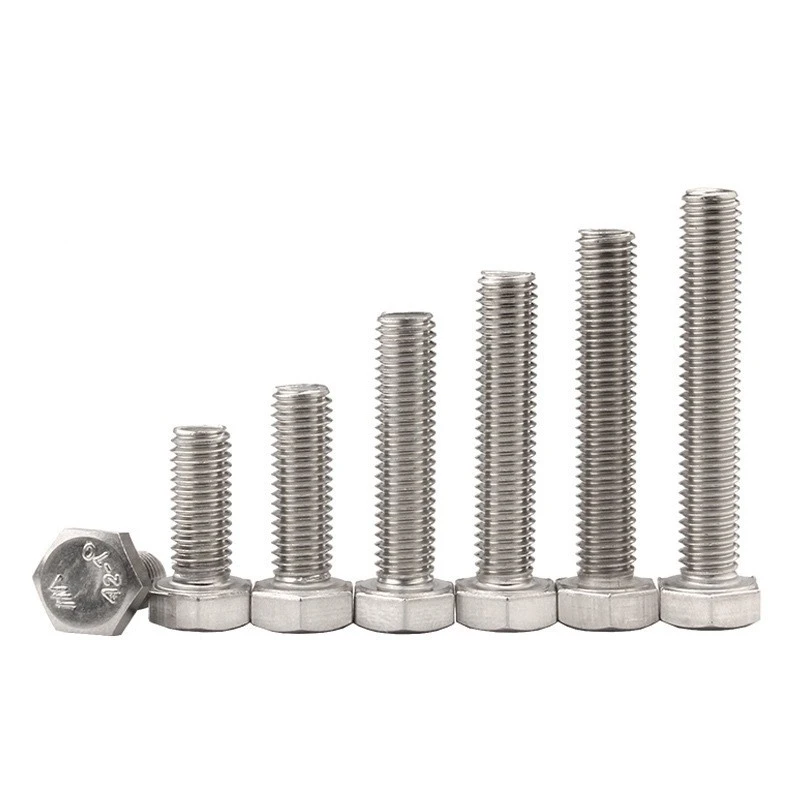
In contrast, regular bolts are more suitable for light - to medium - duty applications, such as assembling furniture, attaching non - structural components, or making simple repairs. They may not be able to withstand the high forces and vibrations that high - strength bolts can handle, so using regular bolts in heavy - duty applications can lead to joint failure and potential safety hazards.

Manufacturing and Testing
The manufacturing processes for high - strength and regular bolts also differ significantly. Regular bolts can be produced through relatively simple manufacturing methods, such as cold - heading or hot - forging. These processes are suitable for mass - producing bolts with a consistent shape and size at a low cost.
High - strength bolts, on the other hand, require more precise manufacturing and stringent quality control measures. The alloy steels used for high - strength bolts need to be heat - treated to achieve the desired strength and hardness. Heat treatment involves heating the bolts to a specific temperature and then cooling them at a controlled rate. This process can improve the mechanical properties of the bolts but also requires careful monitoring to ensure that the bolts do not become brittle or develop internal stresses.
In addition to heat treatment, high - strength bolts also undergo extensive testing to ensure their compliance with industry standards. These tests may include tensile testing, hardness testing, and chemical analysis. Tensile testing measures the maximum amount of tensile stress that a bolt can withstand before breaking, while hardness testing determines the bolt's resistance to indentation. Chemical analysis is used to verify the composition of the alloy steel and ensure that it meets the required specifications.
Installation and Torque Requirements
Installing high - strength and regular bolts also has its differences. Regular bolts can often be installed using basic hand tools, and the torque requirements are relatively low. In most cases, a simple torque wrench can be used to tighten the bolts to a recommended level, which is usually determined by the application and the size of the bolt.
High - strength bolts, however, require more careful installation. They are typically installed using a calibrated torque wrench or a tension - indicating device. The torque requirements for high - strength bolts are much higher than those for regular bolts, and they need to be tightened to a specific pre - load value to ensure the proper clamping force between the connected parts.
Over - tightening or under - tightening high - strength bolts can lead to problems. Over - tightening can cause the bolts to break or damage the connected parts, while under - tightening can result in a loose joint that may fail under stress. Therefore, it is essential to follow the manufacturer's installation instructions and industry standards when installing high - strength bolts.
Applications
The differences in material, strength, and installation requirements between high - strength and regular bolts also determine their applications. Regular bolts are widely used in everyday applications where the load requirements are relatively low. Some common examples include:
- Furniture assembly: Regular bolts are used to connect the various parts of furniture, such as chairs, tables, and cabinets.
- Home repairs: They can be used for simple home repairs, such as fixing a loose doorknob or attaching a shelf to the wall.
- Non - structural components: In automotive and machinery applications, regular bolts are used to attach non - critical components, such as covers, brackets, and guards.
High - strength bolts, on the other hand, are used in applications where high strength and reliability are required. Some typical applications include:
- Structural steel construction: High - strength bolts are used to connect steel beams, columns, and other structural elements in buildings, bridges, and industrial structures.
- Heavy machinery: They are used in the assembly of heavy machinery, such as cranes, excavators, and generators, where the components are subjected to high loads and vibrations.
- Aerospace industry: High - strength bolts are used in aircraft and spacecraft construction to ensure the safety and reliability of the aircraft's structure.
Our Product Offerings
As a bolts supplier, we offer a wide range of both high - strength and regular bolts to meet the diverse needs of our customers. Our Flanged Hex Head Bolt is a popular choice for many applications. The flange provides a larger bearing surface, which helps distribute the load more evenly and reduces the risk of damage to the connected parts.
We also supply Self Sealing Hex Bolts, which are ideal for applications where a leak - proof joint is required. These bolts have a built - in sealing mechanism that prevents the leakage of fluids or gases, making them suitable for use in plumbing, automotive, and industrial applications.
Contact Us for Procurement
If you're in the market for high - strength or regular bolts, we're here to help. Our team of experts can provide you with detailed information about our products, assist you in selecting the right bolts for your application, and offer competitive pricing. Whether you're a small - scale DIY enthusiast or a large - scale industrial manufacturer, we have the bolts you need to get the job done. Contact us today to start your procurement process!
References
- American Society for Testing and Materials (ASTM) standards for bolts.
- "Materials Science and Engineering: An Introduction" by William D. Callister Jr. and David G. Rethwisch.
- Engineering handbooks on fasteners and bolted connections.