

As a seasoned supplier of Self Sealing Hex Bolts, I've encountered a wide array of inquiries regarding their common sizes. In this blog post, I'll delve into the details of these sizes, providing you with comprehensive insights to aid in your decision - making process.
Understanding Self Sealing Hex Bolts
Self Sealing Hex Bolts are a specialized type of fastener. Their unique design not only provides a secure connection but also offers a sealing function, which is crucial in applications where preventing leakage of fluids or gases is essential. The hexagonal head of these bolts allows for easy wrenching, and the self - sealing feature can be incorporated through various means such as rubber gaskets or special coatings. You can find more information about Self Sealing Hex Bolts on our website.
Common Sizes in Metric System
Diameters
In the metric system, some of the most common diameters for self - sealing hex bolts range from M3 to M24. The M3 bolt has a nominal diameter of 3mm, and it is often used in applications where a relatively small and lightweight fastener is required, such as in electronic devices or small machinery.
Moving up the scale, M6 bolts are quite prevalent. They have a 6mm nominal diameter and are used in a variety of applications, from automotive components to general machinery. The M12 bolts, with a 12mm diameter, are a workhorse in the industry. They are commonly found in construction, heavy - duty machinery, and even in some large - scale plumbing applications.
For more heavy - duty and industrial applications, M24 bolts are used. With a 24mm diameter, they can withstand substantial loads and are often used in structural connections where strength is of primary concern.
Lengths
The lengths of self - sealing hex bolts also vary widely. For the smaller diameter bolts like M3 and M4, lengths can range from 5mm to 20mm. These short lengths are suitable for thin materials or applications where space is limited.
For the M6 and M8 bolts, typical lengths are from 10mm to 50mm. These can be used in a variety of applications, depending on the thickness of the materials being joined.
M12 bolts usually have lengths ranging from 20mm to 100mm. The longer lengths are used when there is a need to penetrate deeper into the materials or to accommodate multiple layers.
For larger diameter bolts such as M24, lengths can extend from 50mm to 200mm or even more, depending on the specific requirements of the application.
Common Sizes in Imperial System
Diameters
In the imperial system, common diameters for self - sealing hex bolts include 1/4 - inch, 3/8 - inch, 1/2 - inch, and 3/4 - inch. The 1/4 - inch bolt is relatively small and is often used in light - duty applications like furniture assembly or small - scale DIY projects.
The 3/8 - inch bolt is a popular choice in many industries. It offers a good balance between strength and size and is used in a wide range of applications, including automotive repairs, machinery, and some construction projects.
The 1/2 - inch bolt is a more heavy - duty option. It can handle greater loads and is commonly found in heavy machinery, manufacturing equipment, and some structural applications.
The 3/4 - inch bolt is one of the larger sizes in the imperial system and is used in applications where extremely high strength is required, such as in large - scale construction and heavy - duty industrial machinery.
Lengths
For 1/4 - inch bolts, lengths typically range from 1/4 - inch to 1 inch. These short lengths are suitable for thin materials or applications where a flush fit is required.
3/8 - inch bolts can have lengths from 1/2 - inch to 2 inches. The range of lengths allows for flexibility in different application scenarios.
1/2 - inch bolts usually come in lengths from 1 inch to 3 inches. The longer lengths are used when joining thicker materials or when a more secure connection is needed.
3/4 - inch bolts can have lengths from 2 inches to 6 inches or more, depending on the specific requirements of the application.
Factors Affecting Size Selection
Load - Bearing Requirements
The load that the self - sealing hex bolt needs to support is a critical factor in determining its size. In applications where heavy loads are involved, larger diameter and longer bolts are typically required. For example, in a bridge construction, the bolts used to connect the structural components need to be large enough to withstand the dynamic and static loads exerted on the bridge.
Material Thickness
The thickness of the materials being joined also affects the choice of bolt size. If the materials are thin, shorter bolts may be sufficient. On the other hand, if the materials are thick or if multiple layers need to be joined, longer bolts are necessary to ensure a proper connection.
Sealing Requirements
The sealing function of self - sealing hex bolts is crucial in many applications. In some cases, a specific size of bolt may be required to accommodate the sealing mechanism. For example, a larger diameter bolt may be needed to hold a larger rubber gasket in place for better sealing performance.

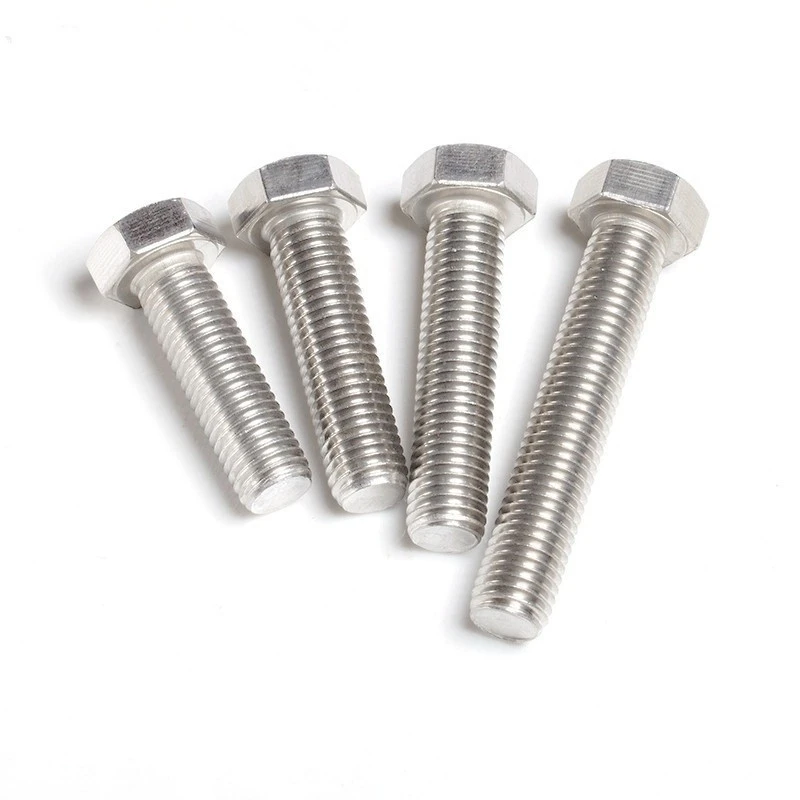
Flanged Hex Head Bolt as an Alternative
While discussing self - sealing hex bolts, it's worth mentioning Flanged Hex Head Bolt. Flanged hex head bolts have a built - in flange under the head, which can act as a washer and provide a larger bearing surface. In some applications, they can serve as an alternative to self - sealing hex bolts, especially when the sealing requirements are not as stringent.
Contact for Procurement
If you're in the market for self - sealing hex bolts or have any questions about their sizes and applications, don't hesitate to reach out. Our team of experts is ready to assist you in selecting the right fasteners for your specific needs. Whether you're a small - scale DIY enthusiast or a large industrial corporation, we have the products and expertise to meet your requirements.
References
- Machinery's Handbook: A comprehensive reference for mechanical engineers and manufacturers, which provides detailed information on bolt sizes, materials, and applications.
- Fastener Engineering Standards: Published by industry organizations, these standards outline the specifications and requirements for different types of bolts, including self - sealing hex bolts.