

Installing rivets in metal sheets with high hardness can be a bit of a challenge, but with the right know - how and the right rivets, you'll be able to get the job done efficiently. As a rivets supplier, I've seen all sorts of projects where people need to attach metal sheets, and I'm here to share some tips on this process.
First off, let's talk about why high - hardness metal sheets are a bit tricky. High - hardness metals, like some stainless steels or certain alloys, are tough. They don't deform as easily as softer metals. That means you need rivets that can handle the stress of being installed in these tough materials.
Choosing the Right Rivets
For high - hardness metal sheets, you've got a few options. One of the popular choices is Bulb Type Blind Rivets. These rivets have a unique bulb - shaped end that expands when installed. This expansion creates a strong hold in the metal sheet. They're great because they can be installed from one side, which is super convenient when you can't access the back of the metal sheet easily.
Another option is Open End Blind Rivets. These are simple yet effective. The open end allows for some flexibility during installation. They're also good at handling vibrations, which can be important in applications where the metal sheets will be subject to movement.
If you're looking for a rivet that can provide a watertight or airtight seal, Closed End Blind Rivets are the way to go. They're perfect for applications where you don't want any fluids or gases to pass through the joint, like in some industrial or automotive projects.
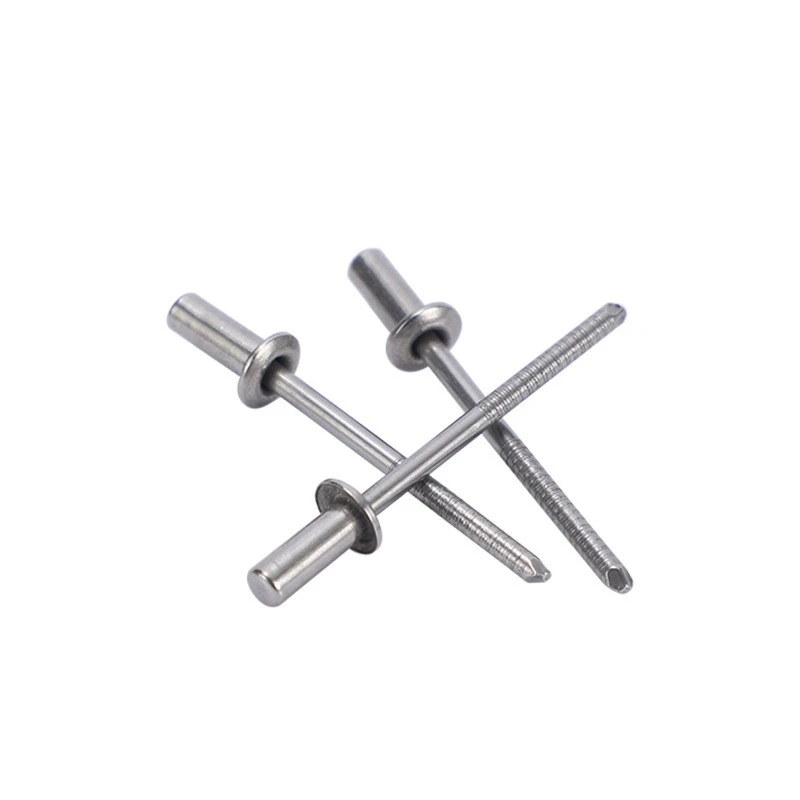
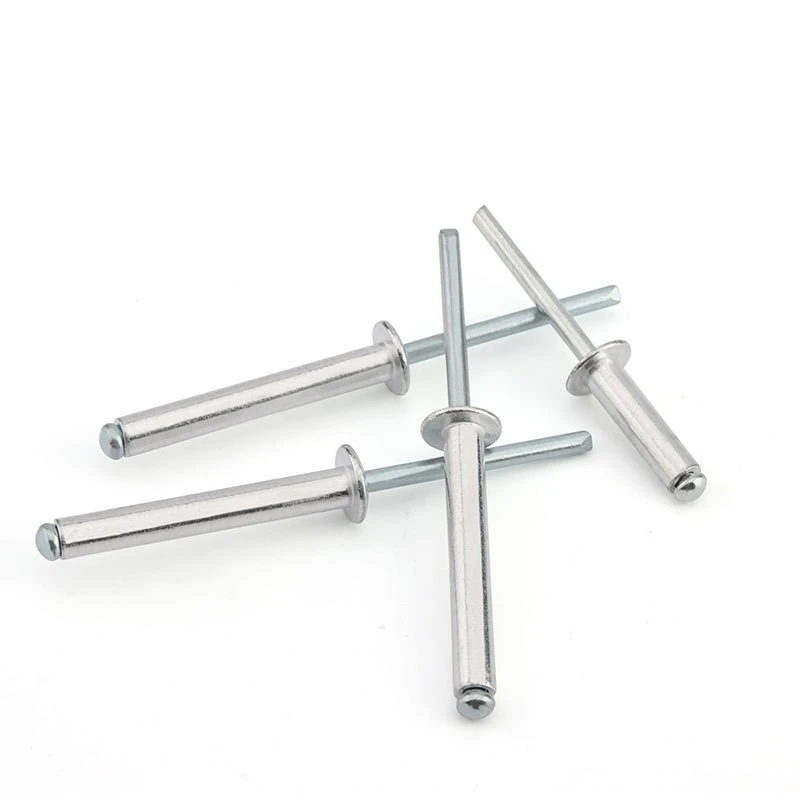
For a flush finish, Countersunk Head Rivets are ideal. They sit flush with the surface of the metal sheet, giving a smooth and clean look. This is often important in applications where aesthetics matter, like in some architectural or furniture projects.
And if you need a rivet with a more rounded and prominent head, Button Head Rivets are a good pick. They offer a bit more surface area for gripping and can add a decorative touch in some cases.
Tools You'll Need
Once you've chosen the right rivets, you need the right tools. A good quality rivet gun is a must - have. There are different types of rivet guns available, such as manual, pneumatic, and electric ones. Manual rivet guns are great for small - scale projects or when you're on a budget. They're easy to use and don't require any power source other than your muscle.
Pneumatic rivet guns, on the other hand, are more powerful and faster. They're powered by compressed air, so you'll need an air compressor to use them. These are ideal for large - scale projects where you need to install a lot of rivets quickly.
Electric rivet guns are a good middle - ground. They're more powerful than manual ones and don't require an air compressor like pneumatic guns. They're convenient for medium - sized projects.
You'll also need a drill to make holes in the metal sheets. The size of the drill bit should match the size of the rivet you're using. Make sure the drill is sharp, as dull bits can cause the metal to heat up and may damage the sheets.
Preparing the Metal Sheets
Before you start installing the rivets, you need to prepare the metal sheets. First, clean the surface of the sheets to remove any dirt, grease, or rust. This will ensure a good bond between the rivet and the metal. You can use a degreaser and a wire brush to clean the surface.
Next, mark the locations where you want to install the rivets. Use a ruler and a marker to make accurate marks. This will help you keep the rivets evenly spaced and in the right position.
Then, drill holes in the metal sheets. Make sure the holes are straight and the right size. If the holes are too small, the rivet won't fit properly, and if they're too large, the rivet won't hold securely. You can use a drill press for more accurate holes, especially if you're working on a large project.
Installing the Rivets
Now it's time to install the rivets. Insert the rivet into the hole in the metal sheet. The mandrel (the stem in the middle of the rivet) should be facing the front of the rivet gun.
If you're using a manual rivet gun, place the nosepiece of the gun over the rivet and squeeze the handles. As you squeeze, the mandrel will be pulled, causing the rivet to expand and form a tight bond with the metal sheet. Keep squeezing until the mandrel breaks off.
For pneumatic and electric rivet guns, the process is similar. Just make sure the gun is set to the right pressure or speed for the type and size of the rivet you're using.
After installing the rivet, check to see if it's holding securely. You can gently tug on the metal sheets to make sure they're firmly attached. If the rivet doesn't seem to be holding well, you may need to remove it and try again with a new one.
Troubleshooting
Sometimes, things don't go as planned. Here are some common problems and how to fix them:
- If the rivet won't expand properly, it could be because the holes are too small or the rivet is the wrong type for the metal sheet. Try drilling slightly larger holes or using a different type of rivet.
- If the mandrel doesn't break off cleanly, it could be due to a dull or worn - out rivet gun. You may need to replace the jaws of the gun or the gun itself.
- If the rivet is loose, the holes may be too large. You can try using a larger - sized rivet or filling the hole with a small amount of metal filler before installing a new rivet.
Conclusion
Installing rivets in high - hardness metal sheets isn't impossible. By choosing the right rivets, using the correct tools, and following the proper installation steps, you can achieve a strong and reliable bond. As a rivets supplier, I'm here to help you find the best rivets for your project. Whether you're working on a small DIY job or a large industrial project, we've got a wide range of rivets to suit your needs.
If you're interested in purchasing rivets for your high - hardness metal sheet projects, feel free to reach out to discuss your requirements. We're always happy to offer advice and support to ensure you get the best results.
References
- "Riveting Technology Handbook", various industry publications
- Manufacturer's guides for different types of rivets and rivet guns