

As a supplier of Self Sealing Hex Bolts, I often encounter questions from customers regarding the maintenance and inspection of these essential fasteners. One of the most frequently asked questions is: "Do self - sealing hex bolts need to be inspected regularly?" In this blog, I will explore this topic in detail, providing scientific and reasonable insights to help you understand the importance of regular inspections.
Understanding Self Sealing Hex Bolts
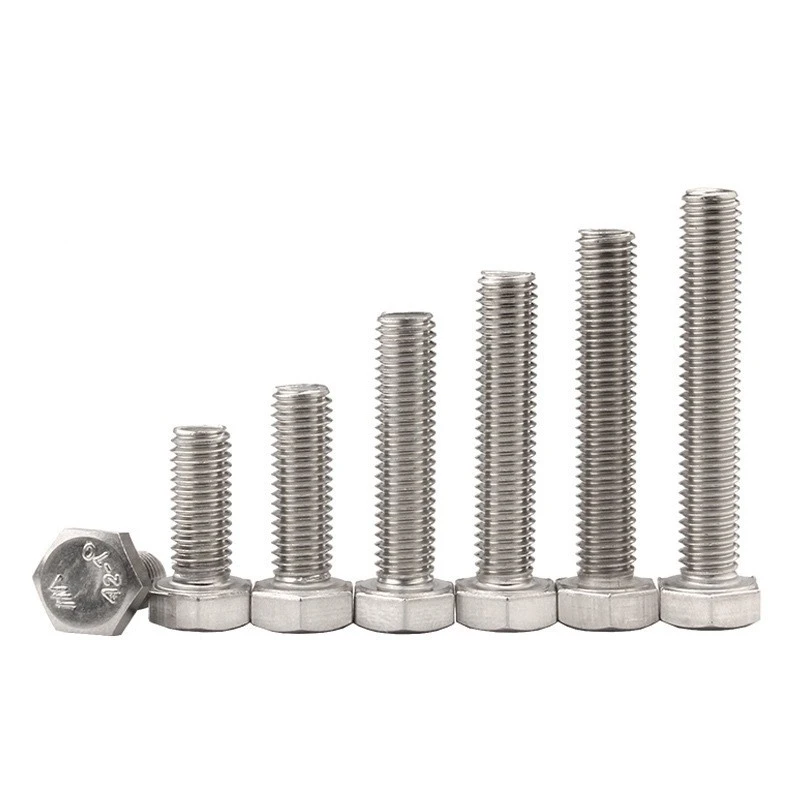
Self Sealing Hex Bolts are a specialized type of fastener designed to prevent the leakage of fluids or gases. They are commonly used in various industries, including automotive, aerospace, and manufacturing, where a reliable seal is crucial for safety and performance. These bolts typically feature a built - in sealing mechanism, such as an O - ring or a rubber gasket, which creates a tight seal around the bolted joint.
The design of Self Sealing Hex Bolts offers several advantages. Firstly, they eliminate the need for additional sealing materials, such as thread sealants, which simplifies the assembly process. Secondly, they provide a more consistent and reliable seal compared to traditional bolts, reducing the risk of leaks and potential damage to the equipment. You can find more information about Self Sealing Hex Bolts on our website Self Sealing Hex Bolts.
Reasons for Regular Inspections
1. Wear and Tear
Over time, self - sealing hex bolts are subject to wear and tear due to factors such as vibration, temperature changes, and mechanical stress. The sealing elements, such as O - rings or gaskets, can degrade, lose their elasticity, and eventually fail to provide an effective seal. Regular inspections can help detect early signs of wear, allowing for timely replacement of the bolts before a leak occurs.
2. Environmental Factors
The environment in which the bolts are used can also have a significant impact on their performance. For example, exposure to harsh chemicals, high humidity, or extreme temperatures can accelerate the degradation of the sealing materials. In some cases, corrosion can occur on the bolt threads, which can weaken the joint and compromise the seal. By inspecting the bolts regularly, you can identify any environmental damage and take appropriate measures to protect the bolts.
3. Safety Concerns
In many applications, a leak from a self - sealing hex bolt can pose a serious safety hazard. For instance, in the automotive industry, a leak in the fuel system can lead to a fire or explosion. In the aerospace industry, a leak in the hydraulic system can affect the aircraft's control and safety. Regular inspections are essential to ensure that the bolts are functioning properly and that there are no potential safety risks.
Inspection Procedures
1. Visual Inspection
The first step in inspecting self - sealing hex bolts is a visual inspection. Check for any signs of damage, such as cracks, corrosion, or deformation on the bolt head, shank, and threads. Examine the sealing elements for any signs of wear, such as cuts, tears, or loss of elasticity. If you notice any visible damage, the bolt should be replaced immediately.
2. Torque Check
Proper torque is crucial for the performance of self - sealing hex bolts. Over - tightening or under - tightening the bolts can lead to a poor seal or even damage to the bolt. Use a torque wrench to check the torque of the bolts regularly. Refer to the manufacturer's specifications for the correct torque values. If the torque is not within the recommended range, adjust it accordingly.
3. Leak Testing
To ensure that the self - sealing hex bolts are providing an effective seal, perform a leak test. There are several methods for leak testing, depending on the application. For example, in a fluid system, you can use a pressure gauge to check for any pressure drops. In a gas system, you can use a soap solution to check for bubbles, which indicate a leak. If a leak is detected, identify the source and replace the faulty bolt.

Frequency of Inspections
The frequency of inspections for self - sealing hex bolts depends on several factors, such as the application, the environment, and the operating conditions. In general, it is recommended to inspect the bolts at regular intervals. For critical applications, such as those in the aerospace or nuclear industries, inspections may need to be performed more frequently, perhaps after every few hundred hours of operation. For less critical applications, inspections can be carried out annually or semi - annually.
Comparison with Flanged Hex Head Bolts
Flanged Hex Head Bolts are another type of fastener commonly used in various industries. While they share some similarities with self - sealing hex bolts, there are also some differences. Flanged hex head bolts have a flange under the head, which provides a larger bearing surface and helps distribute the load evenly. However, they do not have a built - in sealing mechanism like self - sealing hex bolts. You can find more details about Flanged Hex Head Bolts on our website Flanged Hex Head Bolt.
In applications where a seal is not required, flanged hex head bolts may be a suitable choice. However, in applications where preventing leakage is crucial, self - sealing hex bolts are the preferred option. Regardless of the type of bolt used, regular inspections are still important to ensure the integrity of the joint.
Conclusion and Call to Action
In conclusion, self - sealing hex bolts do need to be inspected regularly. Regular inspections can help detect wear and tear, environmental damage, and potential safety hazards early, allowing for timely maintenance and replacement. By following the proper inspection procedures and frequency, you can ensure the reliable performance of your equipment and prevent costly downtime.
If you are in the market for high - quality Self Sealing Hex Bolts or have any questions about their inspection and maintenance, we are here to help. Our team of experts can provide you with the best solutions tailored to your specific needs. Don't hesitate to contact us for a procurement discussion.
References
- "Handbook of Fasteners and Their Applications" by H. A. Rothbart
- "Mechanical Design Handbook" by Myer Kutz