

What is the Carbon Steel Screw's Resistance to Microbial Corrosion?
As a seasoned supplier of Carbon Steel Screw, I've dedicated a significant amount of time to exploring the technical aspects of these products. One topic that has drawn my attention is the resistance of carbon steel screws to microbial corrosion. Microbial corrosion, also known as microbiologically influenced corrosion (MIC), is a complex phenomenon that can have a substantial impact on the integrity and lifespan of various metal components, including carbon steel screws.
Understanding Microbial Corrosion
Microbial corrosion occurs when microorganisms, such as bacteria, fungi, and algae, colonize the surface of a metal and cause or accelerate its corrosion. These microbes can form biofilms, which are complex communities of microorganisms embedded in a self - produced matrix of extracellular polymeric substances. Biofilms can create localized environments that differ significantly from the bulk environment, leading to the initiation and propagation of corrosion.
The mechanisms behind microbial corrosion are diverse. Some microorganisms can produce acidic by - products, which lower the pH at the metal - biofilm interface, accelerating the dissolution of the metal. Others can consume oxygen, creating an oxygen - depleted environment that promotes the reduction of sulfate to sulfide. The presence of sulfide can cause pitting corrosion and embrittlement of the metal.
Carbon Steel and Its Corrosion Susceptibility
Carbon steel is an alloy primarily composed of iron and carbon, with small amounts of other elements. It is widely used in various industries due to its relatively low cost, high strength, and good machinability. However, carbon steel is also prone to corrosion, especially in the presence of moisture and oxygen. The basic corrosion process of carbon steel involves the oxidation of iron to iron ions, which react with oxygen and water to form iron oxides (rust).
When it comes to microbial corrosion, carbon steel is particularly vulnerable because the conditions created by biofilms can exacerbate the corrosion reactions. The formation of biofilms can act as a barrier, preventing the diffusion of oxygen and other species, leading to the creation of concentration cells that drive corrosion.
Factors Affecting the Resistance of Carbon Steel Screws to Microbial Corrosion
- Surface Finish: The surface finish of carbon steel screws plays a crucial role in their resistance to microbial corrosion. A smooth surface is less likely to support the attachment and growth of microorganisms compared to a rough surface. Rough surfaces provide more sites for microbial adhesion and can trap nutrients and moisture, promoting biofilm formation. Therefore, screws with a polished or coated surface are generally more resistant to microbial attack.
- Environmental Conditions: The environment in which the carbon steel screws are used has a significant impact on their susceptibility to microbial corrosion. Factors such as temperature, pH, oxygen concentration, and the presence of nutrients can all influence the growth and activity of microorganisms. For example, warm, moist environments with a neutral to slightly acidic pH are often more favorable for microbial growth. In addition, the presence of organic matter or other contaminants can provide a food source for microorganisms, increasing the risk of microbial corrosion.
- Coating and Protective Layers: Applying coatings or protective layers to carbon steel screws can enhance their resistance to microbial corrosion. There are various types of coatings available, including zinc plating, epoxy coatings, and polymer coatings. Zinc plating acts as a sacrificial anode, protecting the underlying carbon steel from corrosion. Epoxy and polymer coatings provide a physical barrier that prevents microorganisms from accessing the metal surface.
- Microbial Species: Different microbial species have different effects on the corrosion of carbon steel. Some species are more aggressive than others and can cause more severe corrosion damage. For example, sulfate - reducing bacteria (SRB) are known to be particularly corrosive to carbon steel. SRB can reduce sulfate to sulfide in an oxygen - depleted environment, and the resulting sulfide can react with iron to form iron sulfide, which is a highly corrosive compound.
Comparing Carbon Steel Screws with Other Types of Screws
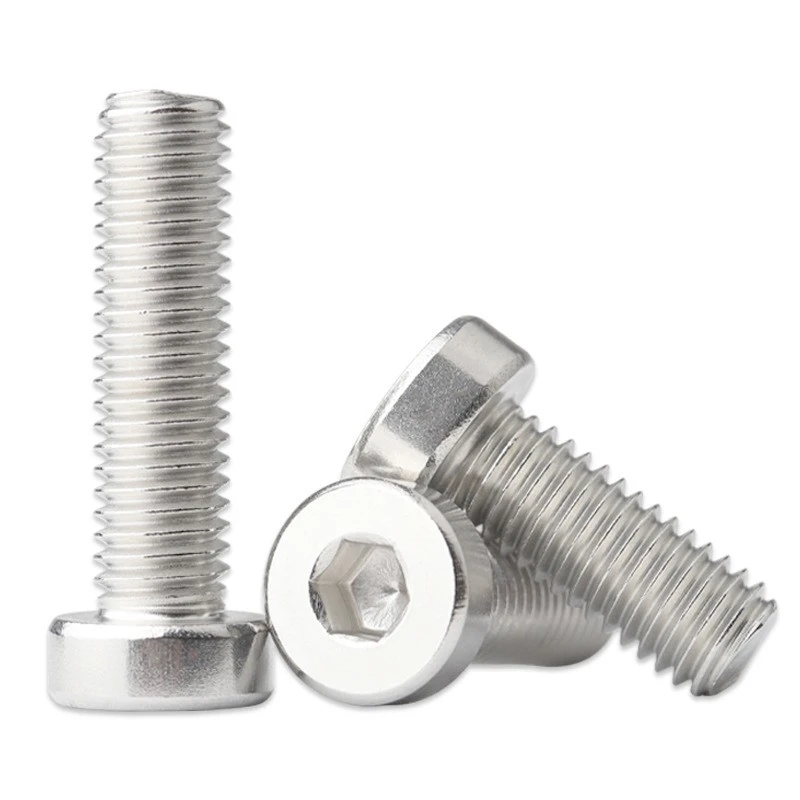
To better understand the resistance of carbon steel screws to microbial corrosion, it's useful to compare them with other types of screws, such as Stainless Steel Socket Head Cap Screws. Stainless steel is an alloy that contains chromium, which forms a passive oxide layer on the surface of the metal, providing excellent corrosion resistance.
In general, stainless steel screws are more resistant to microbial corrosion than carbon steel screws. The passive oxide layer on stainless steel can prevent the attachment and growth of microorganisms and inhibit the corrosion reactions. However, stainless steel screws are also more expensive than carbon steel screws, which may limit their use in some applications.
Socket Button Head Screw and Socket Countersunk Head Screw are available in both carbon steel and stainless steel. When choosing between carbon steel and stainless steel versions of these screws for applications where microbial corrosion is a concern, the specific requirements of the application, including cost, performance, and environmental conditions, need to be carefully considered.
Strategies to Improve the Resistance of Carbon Steel Screws to Microbial Corrosion
- Proper Surface Treatment: As mentioned earlier, a smooth and clean surface can reduce the likelihood of microbial attachment. Surface treatments such as grinding, polishing, and passivation can be used to improve the surface quality of carbon steel screws.
- Coating Selection: Choosing the right coating is essential for enhancing the resistance of carbon steel screws to microbial corrosion. The coating should be compatible with the environment and the application. For example, in a marine environment, a coating with good resistance to saltwater and microbial attack is required.
- Environmental Control: Controlling the environmental conditions can also help reduce the risk of microbial corrosion. This can include measures such as reducing moisture levels, controlling temperature, and removing contaminants from the environment.
- Regular Inspection and Maintenance: Regular inspection of carbon steel screws can help detect early signs of microbial corrosion. If corrosion is detected, appropriate maintenance measures, such as cleaning, recoating, or replacement of the screws, can be taken to prevent further damage.
Conclusion
The resistance of carbon steel screws to microbial corrosion is a complex issue that is influenced by multiple factors, including surface finish, environmental conditions, coating, and microbial species. While carbon steel screws are generally more susceptible to microbial corrosion than stainless steel screws, proper surface treatment, coating selection, environmental control, and regular maintenance can significantly improve their resistance.
As a supplier of carbon steel screws, I am committed to providing high - quality products and technical support to our customers. If you are facing challenges related to microbial corrosion in your applications or are interested in learning more about our carbon steel screws, I encourage you to contact us for further discussion and potential procurement.

References
- Little, B. J., & Lee, J. S. (2007). Microbiologically influenced corrosion. In Corrosion: Fundamentals, Testing, and Protection (Vol. 13A, pp. 421 - 430). ASM International.
- Videla, H. A., & Herrera, L. E. (2005). Microbiologically influenced corrosion: looking to the future. Corrosion Science, 47(12), 3059 - 3074.
- Uhlig, H. H., & Revie, R. W. (1985). Corrosion and corrosion control: an introduction to corrosion science and engineering. John Wiley & Sons.