

Can wire thread inserts be used in wood? That's a question I get asked a lot as a supplier of Wire Thread Inserts. So, let's dig into this topic and see if these nifty little inserts have a place in woodworking.
First off, what are wire thread inserts anyway? They're basically coiled wire inserts that you can install into a pre - drilled hole. These inserts create a durable thread inside the hole. They come in different types, such as Double Threaded Insert, Tangless Thread Inserts, Keyed Threaded Inserts, and Unified Series Thread Inserts. Each type has its own unique features and applications.
Now, coming to the big question - using them in wood. Wood is a very different material compared to metals, where wire thread inserts are commonly used. Metals are hard and uniform in structure, while wood is porous, fibrous, and can vary in density and hardness depending on the species.
One of the main advantages of using wire thread inserts in general is the increased strength of the threaded connection. In wood, the natural fibers can get damaged over time due to repeated screwing and unscrewing. This can lead to the threads in the wood stripping out, making it impossible to hold the screw firmly. Wire thread inserts can potentially solve this problem. By providing a more robust and durable thread, they can withstand the stress and prevent the wood from getting damaged.
However, there are some challenges too. The first one is the installation process. Installing wire thread inserts in wood requires careful handling. Wood is softer than metal, and if you're not careful, you might end up splitting the wood while trying to drill the hole. The hole size needs to be precise. A hole that is too big will not hold the insert properly, and a hole that is too small can cause the wood to crack.
Another issue is the holding power. While wire thread inserts are great at providing strong threads, the way they hold in wood depends on how well they grip the wood fibers. Some types of wood, like softwoods, have a looser grain structure. This means that the insert may not hold as firmly as it would in a harder, denser wood like oak. In softwoods, the insert might even pull out more easily under heavy load.
Let's talk about the different types of wire thread inserts and their suitability for wood. Double threaded inserts are designed to have threads on both the inside and the outside. In wood, the outer thread needs to grip the wood fibers well. If the wood is too soft, the outer thread may not be able to create a strong enough hold. Tangless thread inserts are a good option as they don't have the tang that needs to be broken off after installation. This reduces the risk of causing damage to the wood during the installation process.

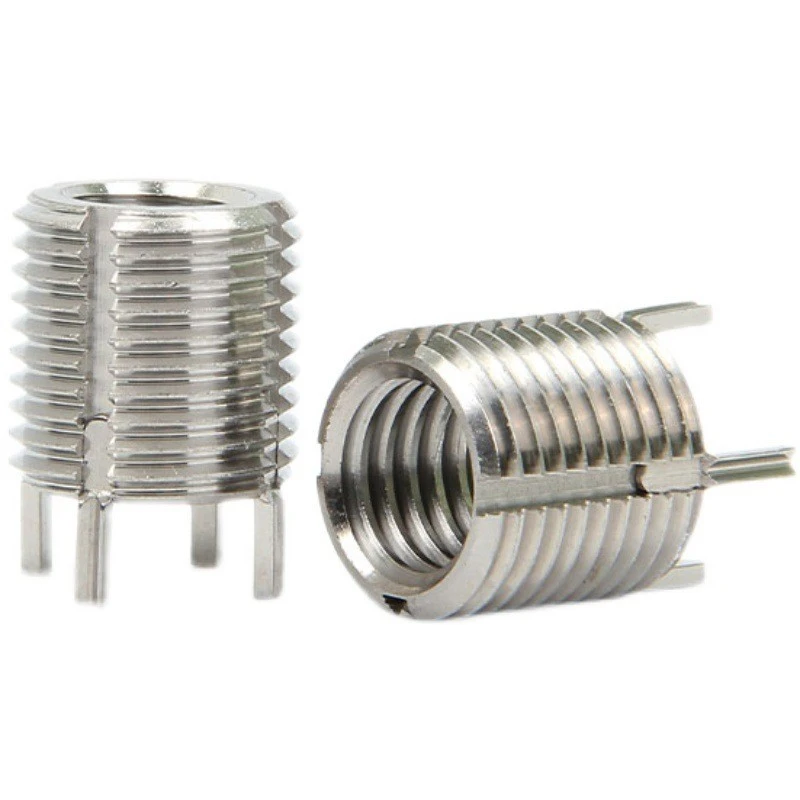
Keyed threaded inserts have keys that are supposed to provide extra holding power. In wood, these keys need to dig into the wood fibers. Again, the type of wood matters. In harder woods, the keys can get a better grip, but in softer woods, they may not be as effective. Unified series thread inserts follow a standard thread pattern. They can be used in wood as long as the installation is done correctly, but they still face the same challenges related to the wood's properties.
If you decide to use wire thread inserts in wood, here are some tips. First, choose the right type of wood. Hardwoods like maple, walnut, or cherry are generally better than softwoods like pine or cedar. Second, use the right tools. A sharp drill bit is essential to make a clean hole without causing too much damage to the wood fibers. Third, follow the installation instructions carefully. Make sure the insert is installed straight and at the right depth.
In conclusion, wire thread inserts can be used in wood, but it's not a one - size - fits - all solution. You need to consider the type of wood, the application, and the load that the threaded connection will be subjected to. If you're working on a small woodworking project where the load is light, wire thread inserts can be a great way to improve the strength of the threaded connection. But if you're dealing with heavy - duty applications, you may need to think twice.
If you're interested in using wire thread inserts in your woodworking projects or any other applications, I'd love to have a chat with you. We can discuss the best type of insert for your needs, and I can provide you with all the information you need to make an informed decision. Whether you're a DIY enthusiast or a professional woodworker, I'm here to help you get the best out of our Wire Thread Inserts. So, don't hesitate to reach out for a procurement discussion and let's see how we can work together to make your projects a success.
References:
- General knowledge of wire thread inserts and woodworking principles from industry experience.